
Appleton, WI · Garage Door Service
What That Garage Door Noise Is Actually Telling You
A guide for Appleton homeowners on which garage door sounds matter, tied to the area's 1980s-90s housing stock and severe cold winters.
- Repairs & new doors
- Springs & openers
- Serving 4 nearby communities
What Most People Get Wrong
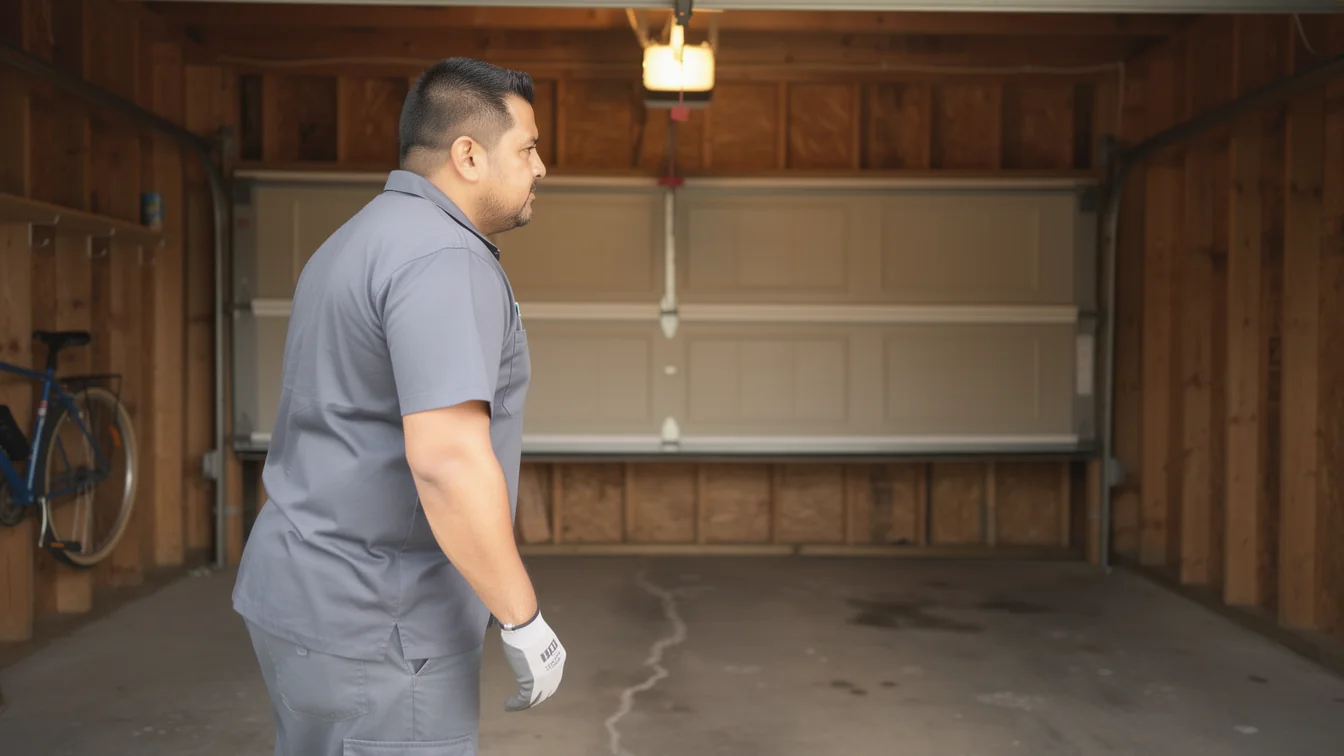
Most homeowners around Appleton think a noisy door means the opener is dying. It usually doesn't. The opener is the last thing to fail and the first thing people blame, because it's the part with the motor and the light. What actually makes noise is hardware - rollers, hinges, the track, the spring - and in this area that hardware is often original or close to it. With housing built mostly between 1945 and 2008, and the bulk of it going up in the 1980s and 90s, a lot of doors here are running 25 to 40-year-old steel rollers in steel tracks, which is a loud combination even when nothing is actually wrong. People replace the opener, the noise comes right back, and now they've spent money on the wrong part. A squeal usually means dry hinges. A rhythmic thunk means a flat spot on a roller. A bang on a cold morning means something else entirely, and that one you should pay attention to.
The Situation
A door built when most of this area's housing went up - call it 1980 as the median - was spec'd for a garage, not a conditioned room, and it was spec'd with the steel rollers and torsion hardware common to that era. Thirty-plus years of opening and closing puts wear into predictable places: roller stems, hinge pivots, the cable drum, and the spring itself. None of that is a defect. It's just the math of a door that's outlived its original hardware life, which in this housing stock is most doors still running factory rollers. The noise isn't random. A grinding sound at the top of travel usually traces to the drum or a worn top roller. A loud pop followed by the door feeling heavier is a spring losing tension or breaking outright, and that's not a lubrication problem - that's a parts problem, and not one we'd tell you to ignore.
What Local Conditions Do
This is a cold-severe climate, and cold does something specific to old steel hardware: it shrinks metal clearances and stiffens lubricant right when the door is working hardest against a stiff, cold spring. A roller that rattled quietly in August can bang in January because the tolerances tightened up overnight. Houses here built in the 1980s and 90s typically have steel torsion springs rated for a cycle count that cold weather accelerates - the spring works harder per cycle in the cold, so a spring near the end of its life tends to let go in winter, not summer. That's why the loudest, most alarming noises - the bang, the snap, the door that suddenly won't budge - cluster in the cold months here, not because the hardware is different, but because the season is putting more load on hardware that was already worn.
The Seasonal Bit
If your door starts making a new noise as the weather turns, don't assume it's just "the cold doing its thing" and wait it out. In a climate rated cold-severe, waiting usually means the problem gets worse before spring, not better - hardware that's marginal in October is often failed by February. The honest limitation here: we can't tell you over the phone whether a noise is a $20 roller fix or a spring replacement job. Some sounds genuinely need an in-person look, and guessing wrong on a torsion spring is how people get hurt. What we can tell you is that if your house falls in that 1980s-to-90s build range common across this area, your hardware is old enough that a new noise this time of year deserves a look before it becomes a door that won't open at all.
Frequently asked questions
Why does my garage door suddenly bang loudly on cold mornings?
That's almost always a torsion spring under strain from cold-stiffened metal, especially if your house dates to the common 1980s-90s build era in this area. The bang can mean the spring is about to go, or has already lost tension. It's worth having it checked before you run the door again, since a failing spring under load is a safety issue, not just a noise issue.
Is a squeaky garage door opener about to fail?
Usually not. A squeal is almost always dry rollers or hinges, not the opener motor. Given how much of the housing stock here still runs original steel rollers from construction, dry hardware is the far more common cause than opener failure. Lubricating the moving metal parts, not the opener, is the first thing to try.
Does winter make garage door noises worse here?
Yes. This area sits in a cold-severe climate band, and cold tightens metal clearances and stiffens grease right as the spring works hardest against a stiff door. Hardware that's merely worn in summer often becomes audibly worse, or fails outright, once temperatures drop for the season.
Related garage door services in Appleton
More garage door guides
Book garage door service in Appleton
Call now or request a quote - tell us what the door is doing and where you are.