
Appleton, WI · Garage Door Service
Stopping Drafts Through Your Appleton Garage Door
Appleton homes built 1945-2008 lose heat through worn garage door seals fast in this cold-severe climate. Here's what actually stops the draft and what doesn't.
- Repairs & new doors
- Springs & openers
- Serving 4 nearby communities
What Most People Get Wrong
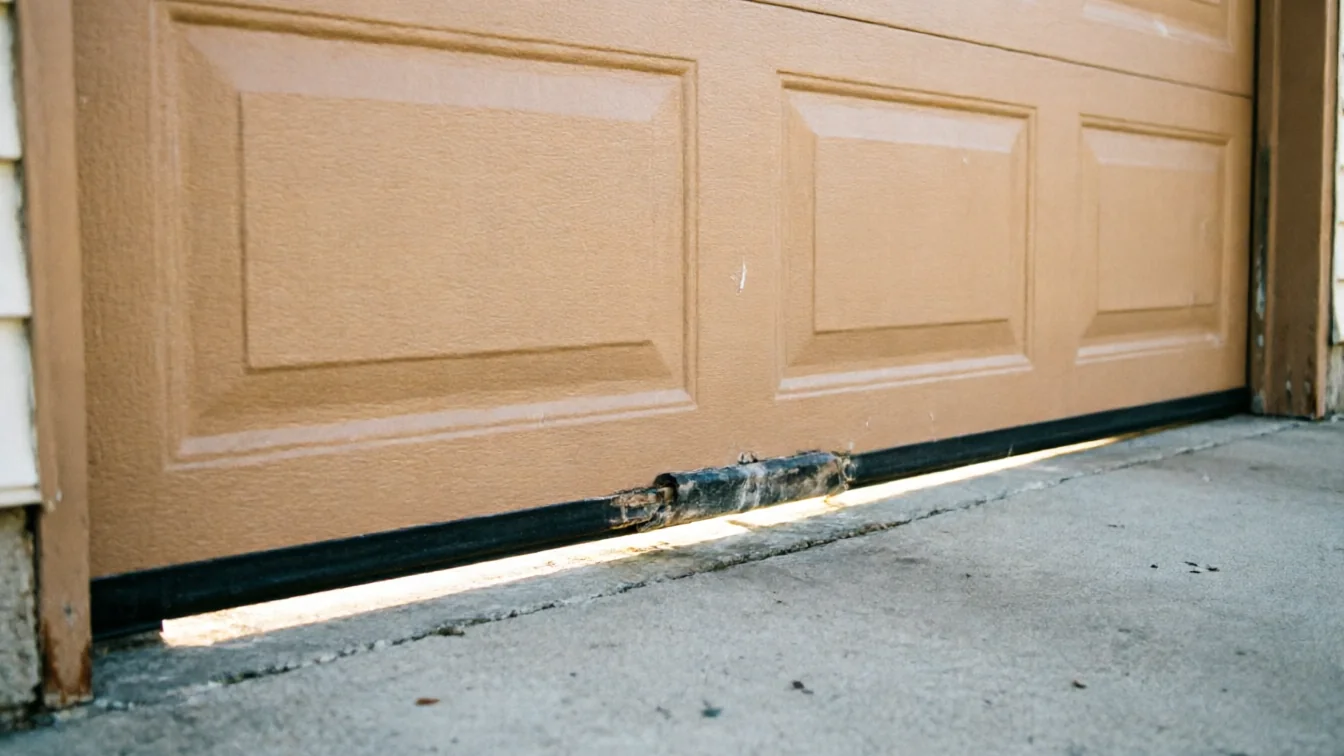
Most homeowners here think a drafty garage door means the door itself is bad. Usually it's the seal, not the slab of steel or wood hanging in the frame. Most houses in Appleton's service area were built between 1945 and 2008, with the typical home dating to around 1980, which means the original bottom seal track on a lot of these doors was sized for the gasket standards of that era, not today's. The channel is narrower, the rubber is harder, and once it cracks, people assume the whole door needs replacing when a new bottom astragal and side seals will usually do the job. The other mistake is caulking around the frame and calling it done. Caulk doesn't flex with a door that moves every day, and it cracks out again by the next heating season. We'll tell you straight if your frame is actually out of square and causing the gap, because no amount of new rubber fixes a door that's racked. That's a repair, not a seal job, and it's worth knowing the difference before you spend money on the wrong fix.
The Situation
With 39 named areas built out mostly in the 1980s and 90s, Appleton has a lot of garage doors sitting on steel jambs that were never insulated to begin with. That construction wave means a huge share of the doors we look at are the same generation: single-layer steel, a thin factory seal, and an unheated garage bay that was treated as storage space rather than conditioned area. Across the 95,421 households in this service area, a large share are owner-occupied houses built before weatherstripping became a standard install item, not an afterthought. On top of that, out toward places like Kimberly, Little Chute, and Darboy, a lot of these garages sit on slabs poured flush to grade, so even a small seal gap lets water and cold air track straight in under the door instead of running off. None of this means the doors are failing. It means the seal package most of them shipped with is past its working life, and nobody's replaced it because the door still opens and closes fine. A door can look and operate perfectly and still be losing heat all winter through a half-inch gap you can see daylight through if you crouch down and look.
What Local Conditions Do
Appleton sits in a cold, severe climate band, so a quarter-inch gap under the door isn't just a draft - it's a path for snow melt to run back under the slab and freeze. That freeze-thaw cycle is what splits old rubber seals and pulls the corner trim away from the jamb over a few winters. It also means the bottom seal takes more abuse here than it would somewhere with a milder winter - repeated flexing in sub-zero temperatures is what makes old vinyl go brittle and crack rather than just wear thin. We see this most on doors facing north or west, where wind-driven snow packs against the bottom seal and melts against the warmer garage interior, then refreezes overnight. The fix isn't exotic: a proper bulb-style bottom seal rated for cold climates holds up far better than the flat flap type that came standard on a lot of builder-grade doors from this housing era. It costs more upfront and it's worth it here.
The Seasonal Bit
At a median household income of $85,980, most owners here call for a seal and bottom astragal replacement rather than a full door swap when the draft is the only complaint, and that's usually the right call. Fall is the season to get this looked at, before the first hard freeze sets the gap in place for the winter. Once ice forms under a worn seal, it can wedge the door and make it harder to open until a thaw, which turns a cheap fix into an afternoon of chipping ice off the slab. One honest limit here: if your door panels themselves are warped or the bottom panel has rusted through, a new seal won't hold its shape against the gap and you're better off pricing a new bottom section or the whole door. We'll tell you which one you've got before we sell you rubber that won't fix the actual problem.
Frequently asked questions
How often do garage door seals need replacing in Appleton?
It depends on seal type and exposure, but a standard bottom seal on a door facing the weather here usually hardens and cracks faster than one in a sheltered spot. Once you see daylight under the door or the rubber feels stiff and brittle to the touch, it's time, regardless of how many years it's been.
Will new weatherstripping actually lower my heating bill?
A sealed garage door stops cold air from moving into the garage and through any shared wall with the house, which matters more in a cold-severe climate like this one. It won't transform your heating bill on its own, but combined with insulated panels it's a real, measurable difference, not a marketing line.
My door seal looks fine but I still feel a draft. What's going on?
Check the corners and the vertical side seals, not just the bottom. On a lot of 1980s-era doors the side seal track has worked loose from the jamb over time, and that gap lets air through even when the bottom seal is doing its job fine.
Related garage door services in Appleton
More garage door guides
Book garage door service in Appleton
Call now or request a quote - tell us what the door is doing and where you are.